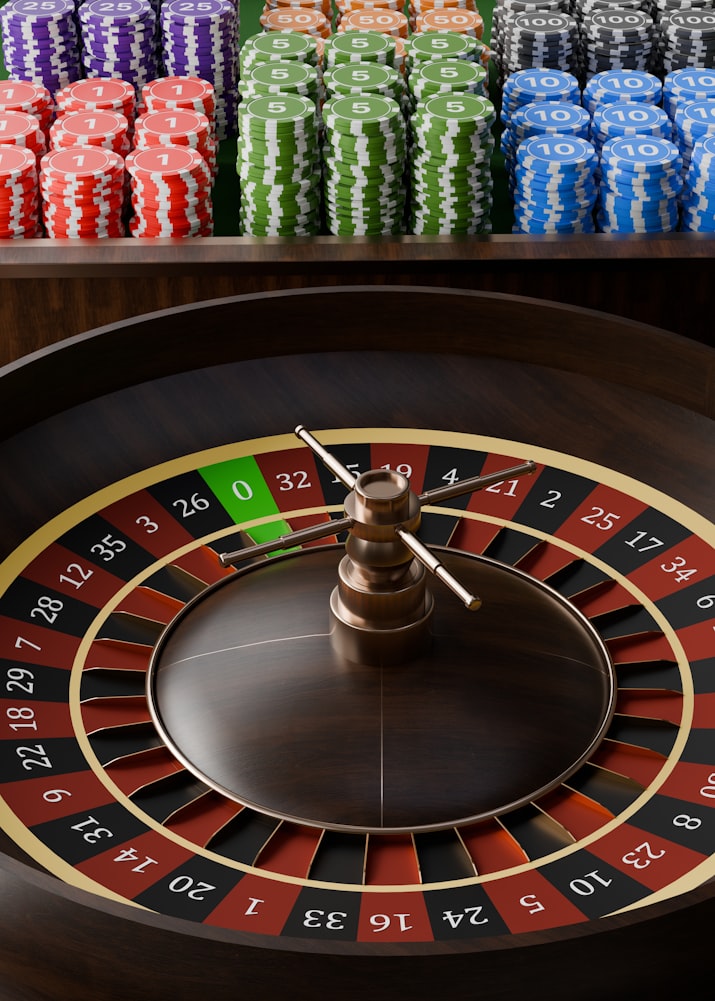
- Catalyst for intense thrills with crash casino game dynamics
- Understanding the Mechanics of a Crash Game
- Provably Fair Technology and Trust
- Strategies for Playing Crash Games
- Risk Management and Bankroll Control
- The Psychological Aspects of Crash Games
- The Role of Dopamine and Reward Systems
- The Future of Crash Games and Technological Advancements
- Beyond the Multiplier: Expanding the Crash Game Experience
Catalyst for intense thrills with crash casino game dynamics
The digital age has ushered in a plethora of online gaming options, captivating players worldwide with their immersive experiences and potential for rewards. Among these, the crash casino game has rapidly gained prominence, attracting a dedicated following due to its unique blend of simplicity, excitement, and strategic depth. This relatively new form of online gambling offers a thrilling experience, differentiated by its dynamic gameplay and the inherent risk-reward dynamic it presents. It’s a game that relies on predicting when a multiplier will 'crash,' demanding quick reflexes and a calculated approach.
Unlike traditional casino games that often involve pre-determined outcomes, the crash game incorporates provably fair technology, allowing players to verify the randomness of each round. This transparency, coupled with the game’s fast-paced nature, has contributed significantly to its growing popularity. The core appeal lies in the potential for substantial multipliers, but also in the fact that it is easy to learn, making it accessible to both seasoned gamblers and newcomers alike. The straightforward premise and the visually engaging interface further enhance the user experience, establishing the crash casino game as a modern staple in the online casino landscape.
Understanding the Mechanics of a Crash Game
At its heart, the crash game is remarkably simple. A multiplier begins at 1x and steadily increases over time. Players place a bet before each round begins, and the goal is to cash out before the multiplier 'crashes' – essentially, before it reaches a random point. The longer you wait to cash out, the higher the multiplier, and consequently, the larger your potential winnings. However, the inherent risk is that the multiplier can crash at any moment, resulting in the loss of your bet. The edge of the seat suspense is a major component of the appeal. This constant tension between risk and reward provides an adrenaline rush that sets it apart from other casino games.
The randomness of the crash point is typically determined by a provably fair algorithm, often based on cryptographic hashing. This ensures that the outcome of each round is unbiased and transparent, building trust between the player and the platform. Different crash games will offer variations in their interface, visual themes, and features, but the fundamental mechanic remains consistent. Many platforms also offer features such as auto-cashout, which allows players to set a target multiplier and automatically cash out their bet when it’s reached, potentially mitigating the risk of missing out on profits due to slow reaction times.
Provably Fair Technology and Trust
Provably fair technology is a cornerstone of the legitimacy of many online crash games. It addresses a crucial concern for online gamblers: the fairness of the game's outcome. This technology utilizes cryptographic algorithms to allow players to independently verify that each round is truly random and that the operator has not manipulated the results. Essentially, it provides a publicly verifiable record of the game's outcome before the round even begins. This transparency builds confidence and assures players that the game is not rigged.
The implementation of provably fair systems usually involves the use of server seeds and client seeds, which are combined to generate the outcome of the game. Players can access these seeds and use specialized tools or websites to verify the fairness of the results. The adoption of this technology is becoming increasingly widespread as players demand greater transparency and accountability from online casino operators. Without it, establishing trust in a game of chance can be extremely difficult.
| Server Seed | A random seed generated by the casino server. |
| Client Seed | A seed provided by the player. |
| Nonce | A number that increments with each round. |
| Hash | A cryptographic hash used to determine the crash point. |
The table above illustrates the key components of a typical provably fair system, highlighting how they work together to ensure game integrity. It’s important to always check if a crash casino game utilizes provably fair technology before engaging in gameplay.
Strategies for Playing Crash Games
While the crash game is largely a game of chance, certain strategies can help players maximize their potential winnings and minimize their losses. One popular approach is the Martingale strategy, which involves doubling your bet after each loss, with the aim of recouping previous losses and securing a small profit when you eventually win. However, this strategy requires a substantial bankroll and can be risky if you encounter a prolonged losing streak. Another common strategy is to set a target multiplier and cash out before it’s reached, regardless of how tempting it is to wait for a higher multiplier. This conservative approach can help you secure consistent profits, although they may be smaller in size.
It's also crucial to understand the concept of risk management. Never bet more than you can afford to lose, and always set a budget before you start playing. This will help you avoid chasing losses and ensure that you can enjoy the game responsibly. Observing the game's history can provide some insights into the distribution of crash points, but remember that each round is independent and past results do not guarantee future outcomes. It’s very important to stay disciplined, even when experiencing a winning streak.
Risk Management and Bankroll Control
Effective risk management is paramount when playing any casino game, and especially crucial in the volatile environment of a crash game. Bankroll control involves setting a specific amount of money that you are willing to risk and then adhering to that limit, regardless of your win-loss record. A common rule of thumb is to never bet more than 1-5% of your bankroll on a single round. This helps to protect your funds and allows you to weather potential losing streaks.
Another essential aspect of risk management is to set stop-loss and take-profit limits. A stop-loss limit is the amount of money you are willing to lose before you stop playing, while a take-profit limit is the amount of money you want to win before you cash out. Sticking to these limits will help you avoid impulsive decisions and maintain control over your gameplay. It requires emotional discipline, but it's critical for long-term success.
- Set a budget before you start playing.
- Never bet more than you can afford to lose.
- Use the Martingale strategy cautiously.
- Set a target multiplier for automatic cashout.
- Understand the concept of provably fair technology.
The list above outlines some fundamental principles for successful crash game play. Remember that responsible gambling is key to enjoying the experience without facing financial hardship.
The Psychological Aspects of Crash Games
The appeal of the crash casino game isn’t solely based on its monetary potential; it also taps into fundamental psychological principles. The near-miss effect, where a multiplier crashes just slightly above your cash-out point, can create a strong desire to play again and try to achieve a higher payout. This creates a compelling loop of excitement and anticipation. The potential for rapid wins also triggers the release of dopamine, a neurotransmitter associated with pleasure and reward, reinforcing the addictive nature of the game.
The perceived control offered by the ability to cash out at any moment further enhances the game’s appeal. Players feel like they have some agency over the outcome, even though it is ultimately determined by chance. This illusion of control can lead to overconfidence and impulsive decision-making. Understanding these psychological factors is crucial for playing responsibly and avoiding the pitfalls of problem gambling. It’s easy to get caught up in the thrill of the moment, but maintaining a rational mindset is essential.
The Role of Dopamine and Reward Systems
Dopamine plays a significant role in the addictive potential of many casino games, and the crash game is no exception. Each successful cash-out releases dopamine, creating a feeling of pleasure and reinforcing the behavior. This reward system can become particularly potent when players experience a series of wins, leading to a cycle of heightened excitement and increased risk-taking. The intermittent nature of the rewards – the unpredictable timing of the crashes – further strengthens this cycle.
The human brain is wired to seek out rewards, and the crash game expertly exploits this tendency. The potential for large payouts acts as a powerful motivator, driving players to continue playing in hopes of experiencing the rush of another win. It’s important to be aware of this psychological mechanism and to recognize when your gameplay is motivated by the pursuit of dopamine rather than rational decision-making.
- Set time limits for your gaming sessions.
- Take frequent breaks.
- Avoid playing when you are feeling stressed or emotional.
- Gamble with friends, and hold each other accountable.
- Seek help if you think you may have a problem.
This ordered list highlights strategies for mitigating the potential psychological harms associated with online gambling. Prioritizing well-being is extremely important.
The Future of Crash Games and Technological Advancements
The landscape of online gaming is constantly evolving, and the crash casino game is no exception. We are likely to see further innovations in the coming years, driven by advancements in technology and a growing demand for immersive and engaging experiences. Integration with virtual reality (VR) and augmented reality (AR) could create even more realistic and captivating gameplay environments, blurring the lines between the virtual and physical worlds. Furthermore, we might witness the rise of social crash games, where players can compete against each other in real-time and interact within a shared virtual space.
Blockchain technology also holds significant potential for revolutionizing the crash game industry. By utilizing decentralized platforms and smart contracts, it’s possible to create truly transparent and provably fair games, eliminating any concerns about manipulation or bias. The use of cryptocurrencies can also facilitate faster and more secure transactions. As the industry matures, regulation and standardization will also become increasingly important, ensuring a safe and responsible gaming environment for all players. This could involve the implementation of stricter KYC (Know Your Customer) procedures and responsible gambling initiatives.
Beyond the Multiplier: Expanding the Crash Game Experience
The core mechanics of the crash game are inherently engaging, but developers are exploring ways to layer additional features and functionalities to enhance the player experience. One emerging trend is the integration of social elements, allowing players to share their wins and losses, compete on leaderboards, or even collaborate on strategies. Another area of innovation is the introduction of bonus rounds or challenges, which offer additional opportunities to win prizes and boost excitement. These enhancements aim to provide variety and keep players coming back for more.
Furthermore, we’re seeing a growing emphasis on personalization and customization. Platforms are beginning to offer players the ability to customize the visual theme of the game, set their own preferred cash-out strategies, or even create their own unique avatars. This level of control can foster a stronger sense of ownership and engagement. The future of the crash casino game is likely to be defined by its ability to adapt and evolve, constantly incorporating new technologies and features to meet the evolving demands of players. The focus will always remain on delivering a thrilling, fair, and responsible gaming experience.